ATON Desk is coming soon. It is not open to customers yet, and you can join the waitlist on aton-desk.com. This article explains how its AI agent learns your answers, so you can plan before it opens.
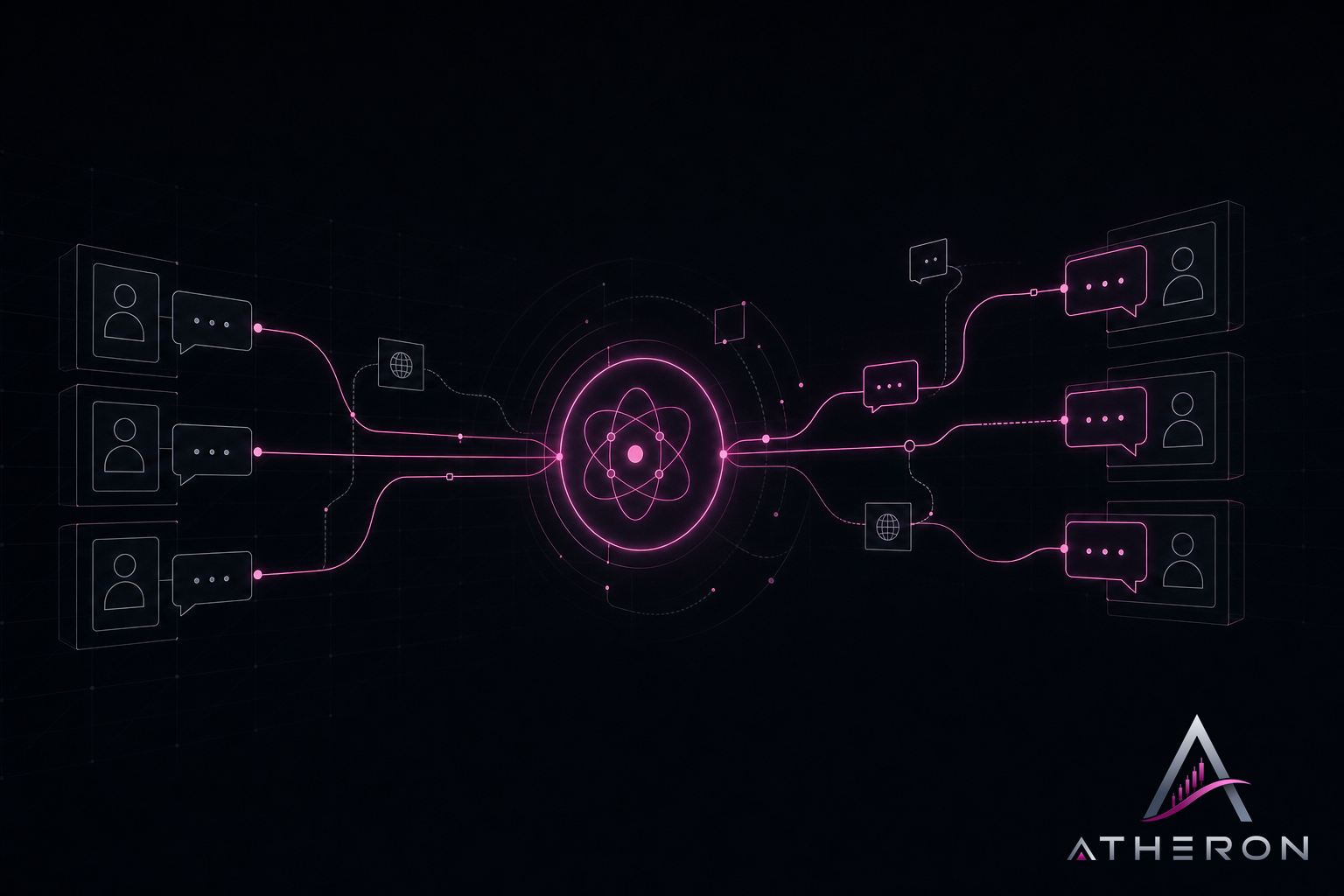
Most writing about AI agents stops at setup. You load your content, and the agent starts answering. In practice, teaching an agent is not a single event. It is a loop. Customers ask things you did not expect, your team fills the gap, and the agent has better material to work from next time. Here is how that loop works in ATON Desk.
Three places the agent learns from
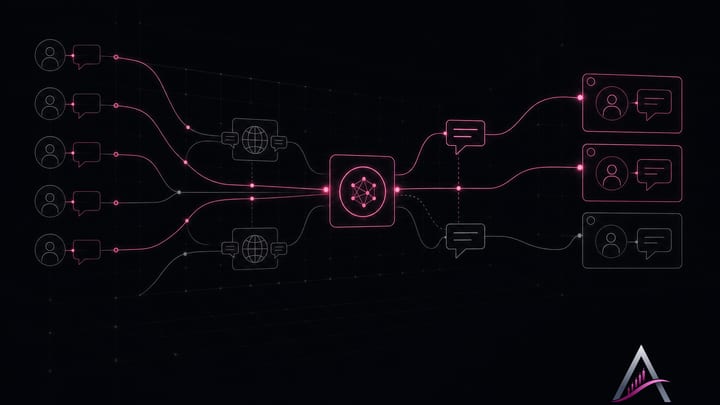
The agent is trained on material you already have:
- Your website. The pages your customers already read.
- Your files. Documents that hold detail your website may not.
- Your answers. The replies your team writes to customers.
Each source does a different job. Your website is public and broad. Your files often hold the specifics. Your answers show how your team actually explains things to a real person. Together, they give the agent your facts and your way of saying them.
What happens in a chat
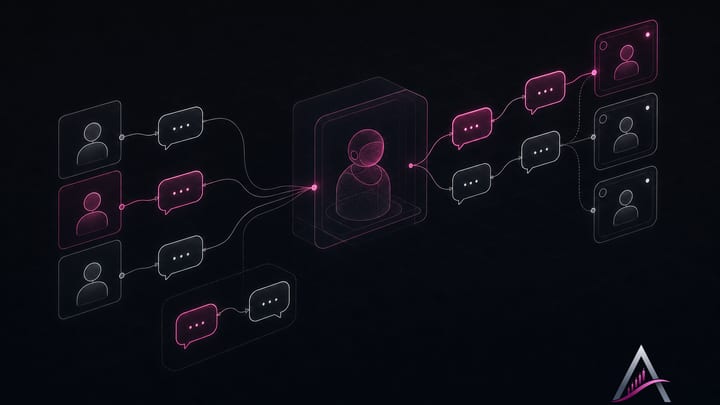
When a customer writes in, the agent replies first. It says it is an AI, so nobody thinks they are talking to a person. After its first answer, it offers a person.
If the customer wants one, an operator takes over in one click and sees a short summary of the chat so far. The customer does not have to repeat themselves.
This matters for learning. The agent does not need to know everything on day one. When it cannot help, the customer has a clear route to someone who can.
Where the gaps show up
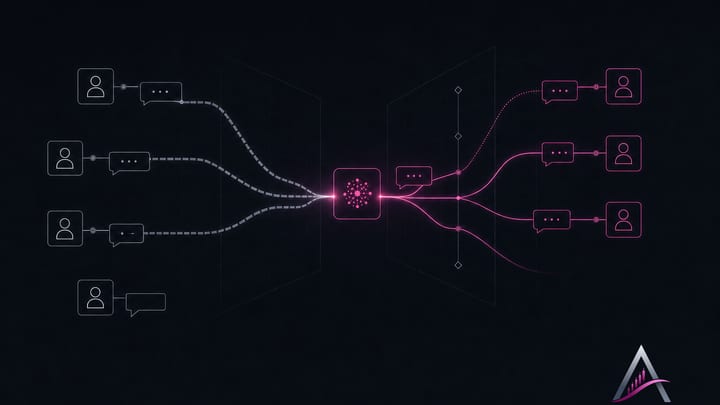
Some questions will not be covered by anything you gave the agent. In ATON Desk, those unanswered questions become draft articles.
A person on your team reads the draft, fixes what is wrong, fills in what is missing and approves it. The draft waits for your approval. You stay in charge of what your business says.
A gap is not a failure. It is your customers telling you what to write next.
Why a loop beats a big upfront effort
You cannot predict every question. Even a careful team misses things, because customers use their own words and come at problems from angles you did not expect.
A loop works with that instead of against it:
- You start with the material you already have.
- Real chats show you where it falls short.
- Those gaps arrive as drafts, not blank pages.
- Your team approves them, and your written answers grow.
Reviewing a draft is smaller work than writing a full knowledge base from scratch. Each approved article adds to your written answers, the same kind of material the agent learns from.
A simple weekly habit
The loop only turns if someone turns it. A short, regular review is enough for most small teams.
- Read the new drafts. Check every fact against what you actually do.
- Fix the source, not just the draft. If a draft exposed an out of date page or file, update that too.
- Look at chats where people asked for a person. They often point to answers that were unclear, not missing.
- Keep the tone yours. Edit drafts so they sound like your team.
Honest limits
The agent is only as good as what you give it. If a page on your site is out of date, the agent can repeat that mistake. Keep your sources accurate.
A draft article is a starting point. It needs a person to check it before it is approved.
Some conversations belong with a person no matter how good your material is. That is why the agent offers a person after its first answer, and why the hand-over takes one click.
We use it ourselves
Atheron's own support runs on ATON Desk. We work with this same loop: the agent answers first, our team steps in when needed, and gaps turn into drafts we review.
When ATON Desk opens, there will be a free plan and a trial with no card, and every plan includes AI conversations. Prices will be in Canadian dollars per seat per month. If you want to know when you can start, join the waitlist.