A customer writes to you in French. Your team reads English. Translation inside the chat window can bridge that gap, but only if you know what it does well and where it slips.
This piece covers the mechanics of translated chat, the mistakes to watch for, and what customers in Quebec tend to expect.
What happens when chat translates
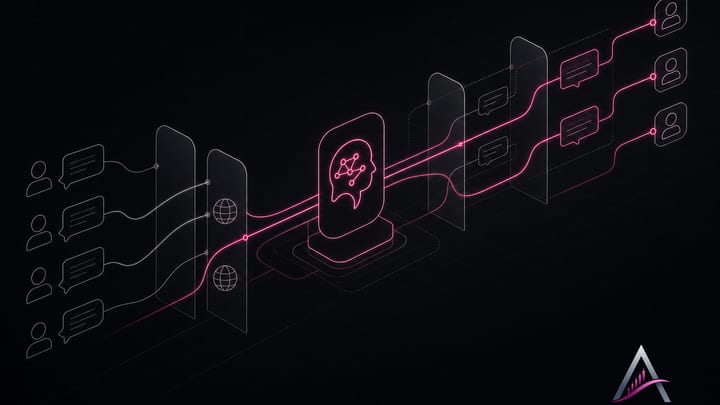
Most translated chat follows the same steps.
- The tool detects the language of the incoming message.
- It translates the message into your team's language for the operator.
- The operator replies in their own language.
- The reply is translated back before the customer sees it.
The better tools keep the original text beside the translation. That matters. An operator who reads a little French can check the meaning, and you can review a conversation later. If you only ever see the translated version, you cannot spot a mistake.
Where machine translation slips
Translation handles plain questions well. "Where is my order?" comes through cleanly in both directions. The trouble starts in a few predictable places.
- Tone. French has tu and vous. A translated reply can pick the wrong one, and the customer notices straight away.
- Regional words. Quebec French has its own words and expressions. A tool that leans on European French can misread them, or reply in a way that sounds foreign to a Quebec customer.
- Names. A tool may translate the name of your product, a plan or a feature. Keep a short list of terms that are never translated.
- Numbers, dates and money. French writes 1,5 where English writes 1.5, and places the dollar sign differently. Check any reply that contains a price, a quantity or a deadline.
- Policy wording. Refunds, warranties and privacy terms should not depend on a live translation. Write a reviewed French version once and use it every time.
What customers in Quebec expect
Many customers in Quebec expect to be served in French from the first line, not offered French after they ask for it. Quebec also has its own rules about the use of French in business. We are not lawyers and this is not legal advice, so check what applies to your business.
A few habits go a long way.
- Greet in French when the visitor is on your French pages.
- Use vous unless the customer sets a more casual tone.
- Do not switch to English partway through a conversation without asking.
- If nobody who reads French is available, say so plainly and offer a follow-up by email.
Three ways to answer in French
Table: Approaches to answering chat in French
| Approach | Good for | Watch for |
|---|---|---|
| Live translation | Simple, everyday questions | Tone, regional words, numbers |
| Reviewed written answers | Policies, prices, common questions | Keeping both languages up to date |
| A person who reads French | Complaints, sensitive or complex chats | Coverage across your opening hours |
Most teams end up using all three. Written answers cover the questions you see every week. Translation fills gaps. A French speaker handles the conversations where a slip would cost you the customer.
Where an AI agent fits
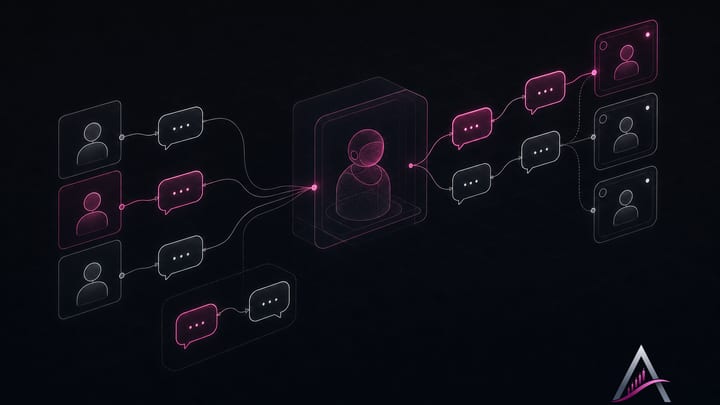
In ATON Desk, an AI agent trained on your website, files and answers replies first. It says it is an AI, and it offers a person after its first answer.
What the agent can say depends on what you give it. If your French customers matter, put reviewed French material into what it learns from: your French pages, your French questions and answers, your policies in French. That way the wording customers see has already been checked by someone on your team.
When the agent cannot answer a question, the question becomes a draft article for you to approve. That is a natural moment to write the French version once, review it, and reuse it from then on.
When a person needs to step in, an operator takes over in one click and gets a short summary of the conversation so far. The customer does not have to repeat themselves.
Start small
You do not need a full French support team to do this well. Start here.
- List the questions your French-speaking customers ask most often.
- Write reviewed French answers for each one.
- Keep a list of names and terms that should never be translated.
- Decide who on your team reads French, and when they are available.
- Read a few translated conversations each week and fix what slipped.
Translation is a useful tool. Your customers will judge you on the answers you prepared, and on how honestly you tell them when a person is not available.